
Why So Many of Us Can’t Sleep When We Travel
Why do so many of us sleep worse when we travel—especially after 60? Discover the science, our Grand Canyon experience, and tips to sleep deeper away from home.
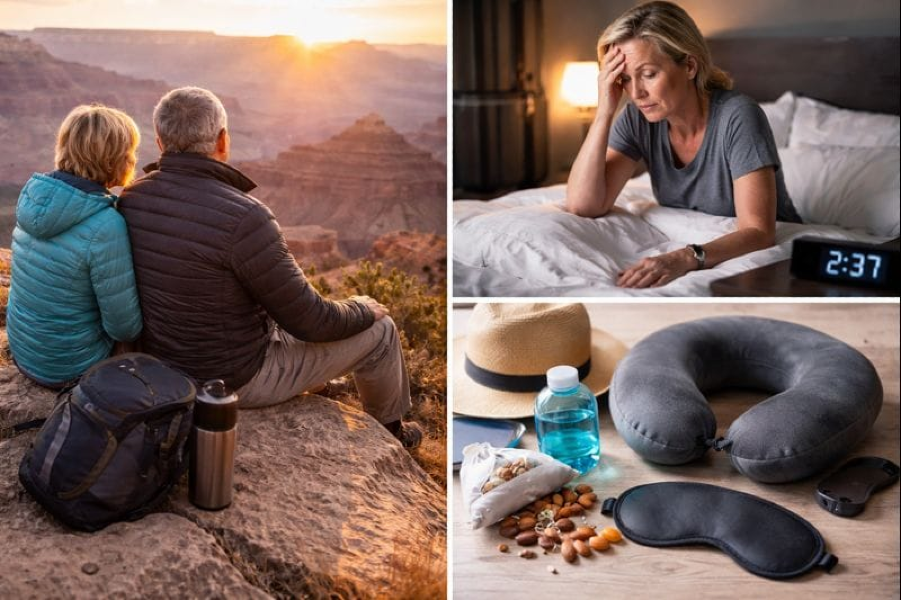
Why So Many of Us Can’t Sleep When We Travel — Even on Dream Trips
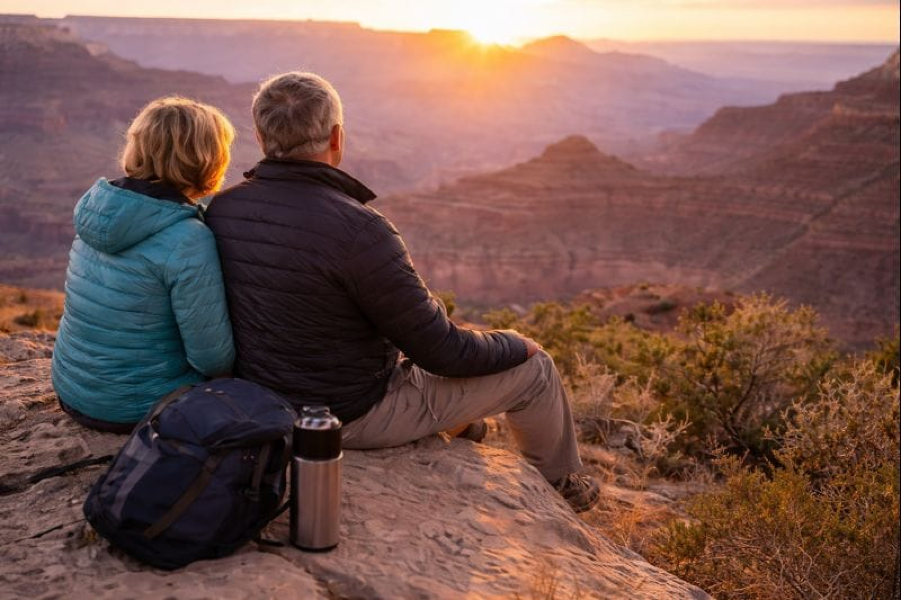
Last week, David and I finally made the trip up to the Grand Canyon South Rim. You’d think after a day of hiking, cold desert air, and that quiet stillness you only feel in the canyon—sleep would come easy.
Nope.
Both nights, we tossed, turned, woke up over and over. The room was perfectly fine. We weren’t stressed. We weren’t uncomfortable. We were exhausted. So why does this happen almost every time we travel?
Turns out… we’re not alone. Research shows that about 80% of travelers sleep worse when they’re away from home, and more than two-thirds report feeling more tired when traveling—even on vacation.
But why does travel disrupt sleep so consistently?
And more importantly—what can we do about it, especially after 60 when quality sleep becomes non-negotiable for longevity, recovery, cognition, and emotional balance?
Let’s explore that together.
➡️ Read Supporting Articles by linking to Gut Health & Digestion.

Why Travel Disrupts Sleep (Even When It Shouldn’t)
The two big reasons aren’t about stress or age—they’re biological:
1. The “First Night Effect”
Your brain stays more alert in unfamiliar spaces.
Even in safe environments, half your brain essentially keeps watch. That hyper-vigilance made sense thousands of years ago around fires and predators—but now it just means restless hotel sleep.
2. Circadian disruption
Even without crossing time zones:
- eating later
- changing routines
- different wake/sleep cues
all delay melatonin release.
If you do cross time zones, jet lag multiplies the problem.
Other subtle disruptors:
- new noises
- different pillows/mattress
- temperature swings
- late dinners
- caffeine timing shifts
- blue light from travel screens
Together, these create overnight sleep fragmentation—even when you swear you're tired enough to pass out.
➡️ Read supporting article by linking to Complete Guide to Better Sleep After 50.
Our Grand Canyon Sleep Story
You know how we hike the Superstitions and usually sleep soundly afterward?
At the Grand Canyon Inn just outside the South Rim entrance, it was different.
We arrived around 2:50 pm, checked in, rested, and planned for sunrise viewing the next day. That night:
- the quiet was too quiet
- the heater cycled on and off
- we woke repeatedly
- I had that “I’m tired but not sleepy” buzzing feeling
Even though we were grateful, excited, and relaxed… our bodies still resisted deep sleep.
On the drive home down I-40, we laughed about how strange it is to crave rest, get the chance, and then struggle to sleep. And it reminded me how many of us are experiencing this without understanding what’s happening—or how to shift it.
Questions to Reflect On
If you’re over 50, reflect with me:
- Do you sleep better or worse when you travel?
- Is the struggle falling asleep or staying asleep?
- Does your sleep routine shift when you're excited about a trip?
- Which sleep triggers affect you most—noise, temperature, food timing, unfamiliar environment?
- Does travel leave you feeling more exhausted than refreshed?
- How often do you plan recovery days after a trip… or do you just push through?
Thought-provoking reflection builds awareness—and awareness builds change.
Plant-Powered Strategies for Better Sleep While Traveling
Here are simple, proven techniques to promote restful travel sleep that align beautifully with a flexitarian lifestyle and healthy aging.
⭐ 1. Keep consistent meal timing
Digestion affects circadian rhythm. Try to eat dinner within your normal window to signal sleep onset.
👉 Related post on gut health + digestion rhythms: (link your Gut Health blog category)
⭐ 2. Prioritize magnesium-rich foods
Travel increases nervous system activation. Magnesium calms the brain and muscles.
Examples:
- leafy greens
- pumpkin seeds
- almonds
- cacao
- bananas
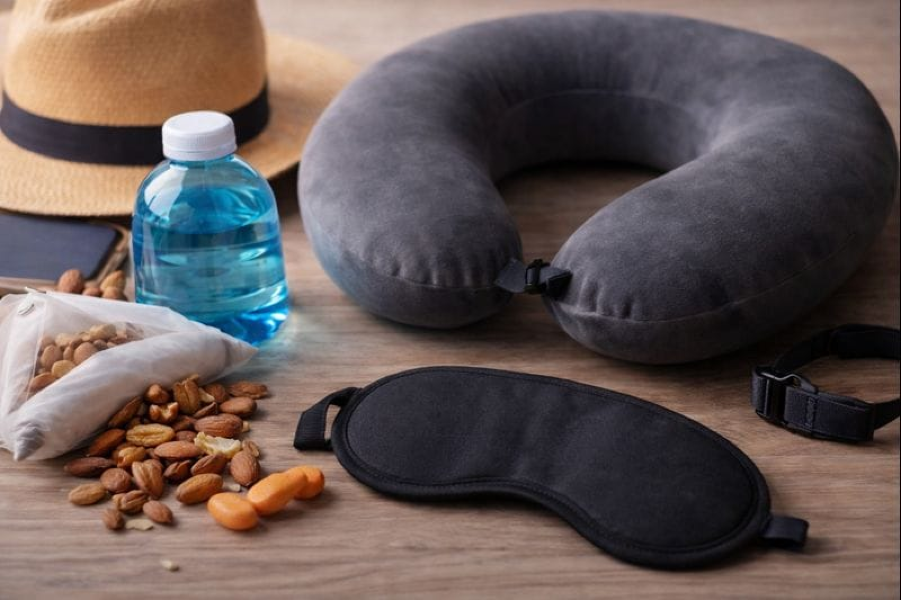
Pack flexitarian travel snacks to support sleep.
⭐ 3. Bring your "sleep anchors"
Your brain recognizes sensory cues from home:
- pillowcase
- familiar scent
- sleep mask
- ear plugs
- calming music playlist
These reduce the brain’s night vigilance in new places.
⭐ 4. Hydrate strategically
Travel dehydration ramps up cortisol + stress response.
- Hydrate early in the day
- Reduce water intake in last 1–2 hours before bed
⭐ 5. Avoid scrolling in bed
Blue light suppresses melatonin dramatically, especially for older adults.
Instead:
- journal
- stretch
- breathwork
👉 You can reference your Mindfulness category + digital guides here.
➡️ Read supporting article by linking to Complete Guide to Better Sleep After 50.
➡️ Read supporting article by linking to Simple Ways to Lower Stress & Nurture Longevity.
Your Takeaway
If you struggle to sleep when you travel, don’t judge yourself. It’s normal, extremely common, and biologically wired.
The key is preparation—not perfection.
On our Grand Canyon trip, our sleep wasn’t great… but our days were filled with wonder, beauty, and adventure. And that helps us thrive beyond 60 more than a little travel sleep disruption ever could.
➡️ Read supporting article by linking to 10 Gentle Energy Moves for Every Age.
➡️ Read supporting article by linking to How to Build a Gentle 30-Day Health Plan for Thriving Beyond 60
Now, I’d love to hear from you…
Comment or reply and share:
- Where was the last trip you took?
- How was your sleep compared to home?
- What’s one strategy you plan to try next time you travel?
Building this community matters. When we share what works, we empower each other to thrive—at home and on the road.
Until next time…
flex your plant power, nourish your sleep, and thrive beyond 60.
Want more travel health tips? Check out Travel Essentials for a Healthy Getaway at Any Age.
Disclaimer:
This content is for informational purposes only and is not medical advice. Always consult your healthcare provider before making changes to your diet, supplements, or lifestyle, especially if you have existing conditions or take medication.
💌Want plant-based tips each week
Join the Plant Based Flex newsletter. It’s free, and when you confirm your email I’ll send you a 7-Day Kickstart Wellness Bundle to help you thrive beyond 60.