10 September Focus Foods for a Healthy Transition Into Fall
Explore 10 September focus foods that make the shift into fall feel simple, seasonal, and nourishing, with practical ways to use each one.
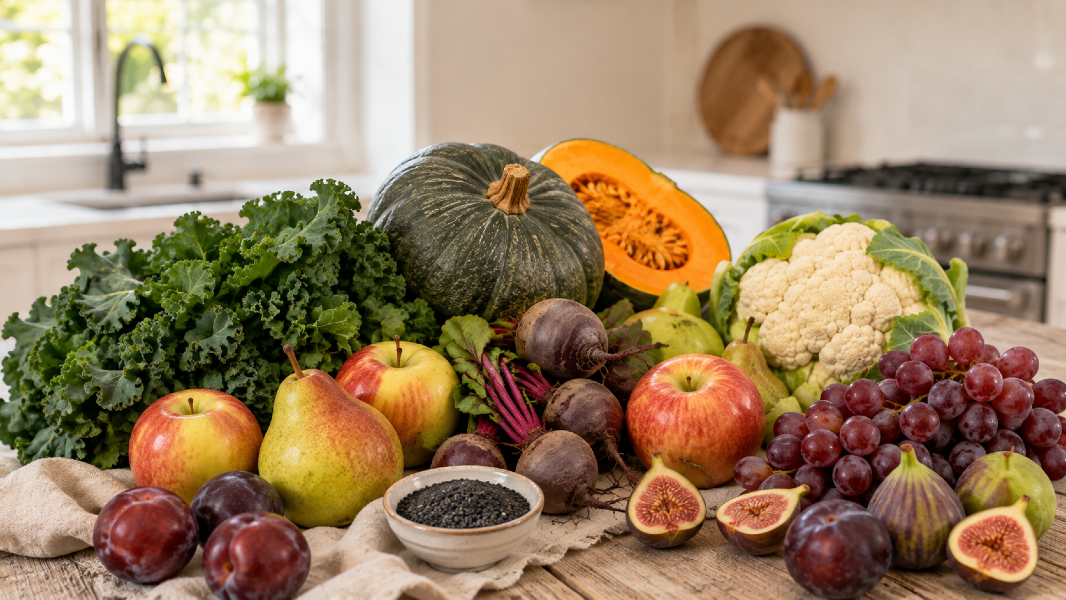
September is a transition month. These 10 focus foods help bring warmer, grounding meals back into the mix without giving up the freshness of late summer.September sits in an interesting place. Summer is not completely gone, but fall is beginning to show up in the way we shop, cook, move, and plan our days.
I do not think we need to make a hard switch from cold summer food to heavy fall meals overnight. I would rather let the season change gradually. That is the idea behind my September focus foods.
In my Thrive Beyond 60 cookbook, September is built around a transition into fall with more fiber, grounding vegetables, and digestive support. For the blog this month, I am highlighting 10 of those foods: winter squash, kale, apples, pears, beets, cauliflower, black sesame seeds, grapes, figs, and plums.
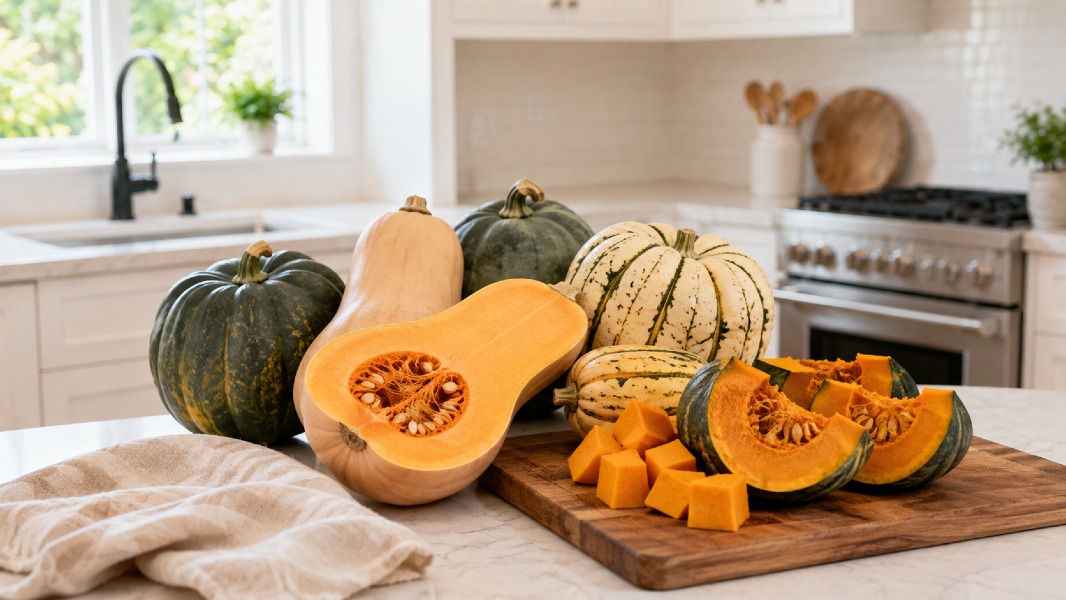
1. Winter squash
Butternut, delicata, acorn, and other winter squashes are some of the easiest foods to use as summer starts to fade. They give us the comfort of a warm meal without requiring a heavy recipe.
Winter squash provides complex carbohydrates, fiber, potassium, and carotenoid pigments. I like it roasted, mashed into a sauce, folded into a grain bowl, or paired with beans for a more complete meal.
Historically, squash is one of the ancient crops of the Americas and has been cultivated in many forms for thousands of years. That long history makes sense when you consider how practical it is: it stores well, cooks in many ways, and works in both savory and lightly sweet recipes.
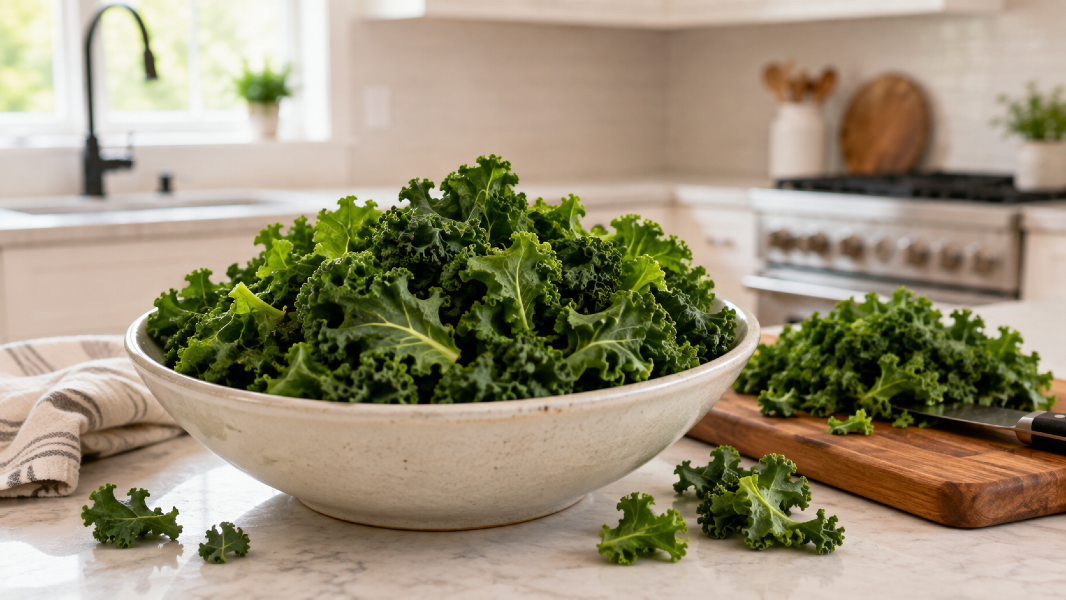
2. Kale
Kale is one of my favorite bridge foods because it works raw, massaged, sauteed, roasted, or stirred into warm dishes. It brings fiber, vitamin K, folate, carotenoids, and vitamin C to the plate.
September is a good time to move kale from summer salads into warmer meals. Try it with roasted squash, white beans, eggs, whole grains, or a tahini dressing.
3. Apples
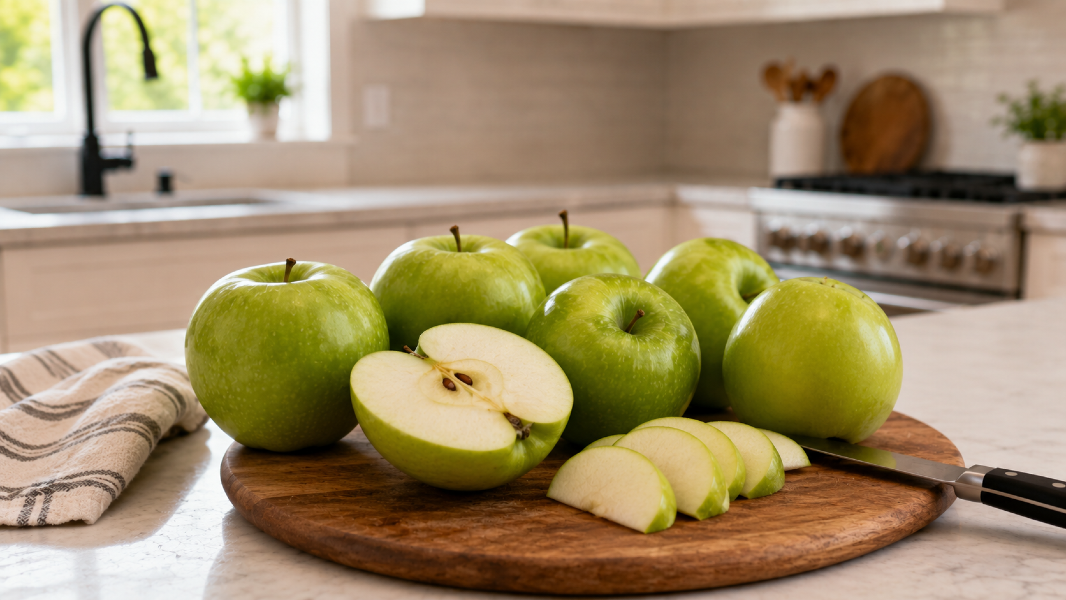
Apples are almost made for September. They are crisp enough to keep the freshness of summer, but cinnamon, oats, walnuts, and warm cooking can immediately move them toward fall.
Apples contribute fiber, vitamin C, and a range of plant compounds. Keep the peel when you enjoy the texture because much of the fiber and many of the plant compounds are concentrated there.
Apples trace back to wild ancestors in Central Asia and traveled across trade routes before becoming one of the world's most familiar fruits.
4. Pears
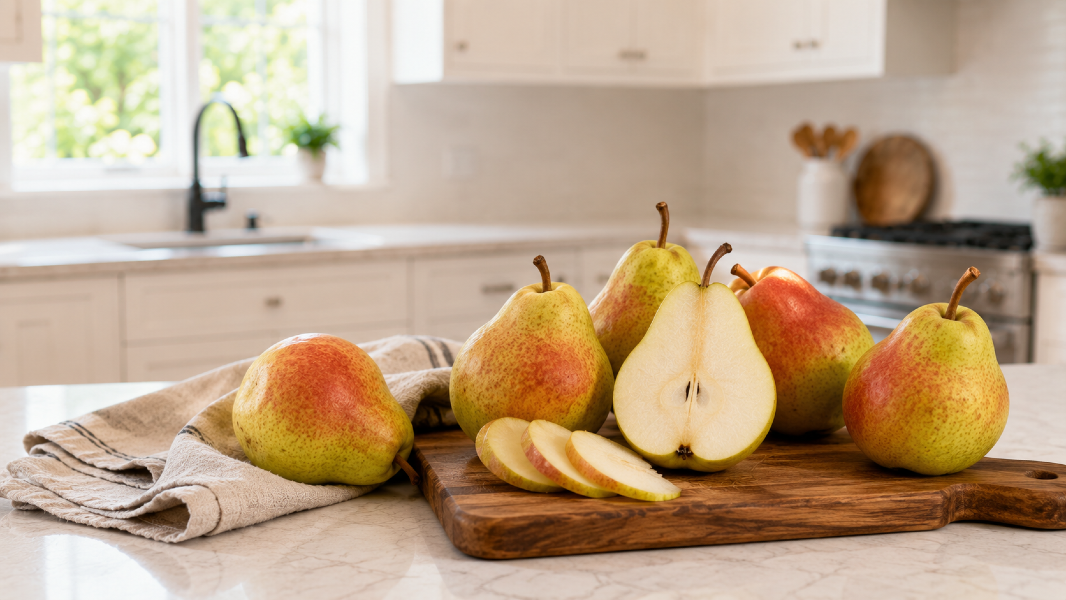
Pears deserve more attention. A ripe pear is soft, naturally sweet, and easy to work into breakfast, snacks, salads, baked dishes, and even savory meals.
Pears provide fiber and vitamin C, and their natural sweetness means they often need very little added sugar. Let them ripen at room temperature and use them when the neck gives slightly under gentle pressure.
5. Beets
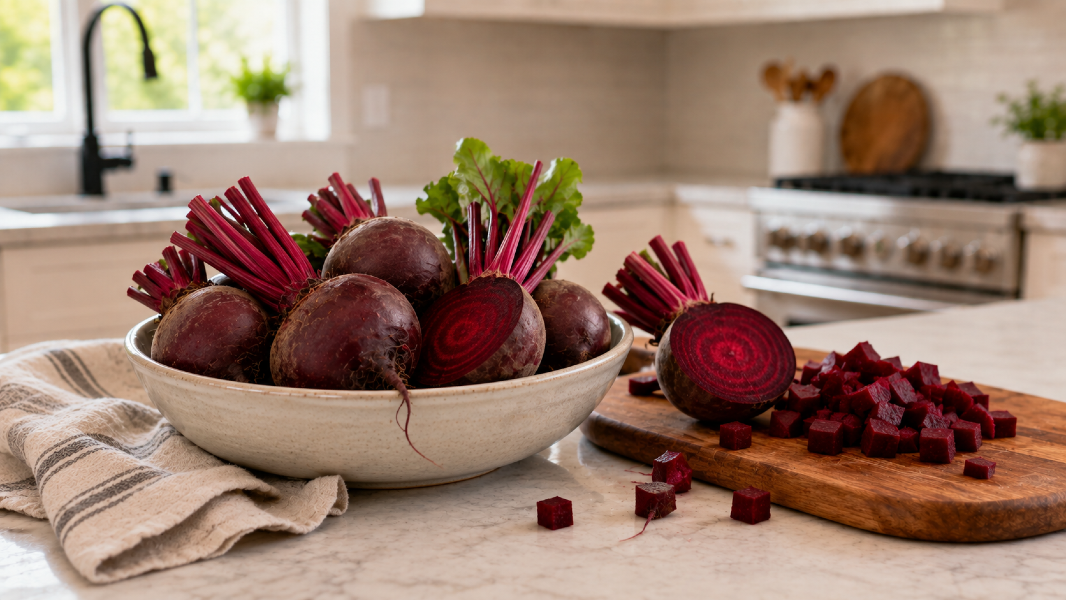
Beets bring deep color and earthy sweetness to September meals. They provide folate, fiber, potassium, and naturally occurring nitrates. Those nitrates are one reason beets are often discussed in connection with circulation and exercise nutrition.
You do not have to roast raw beets for an hour every time you want them. Vacuum-packed cooked beets are one of the most useful convenience foods to keep in the refrigerator.
6. Cauliflower
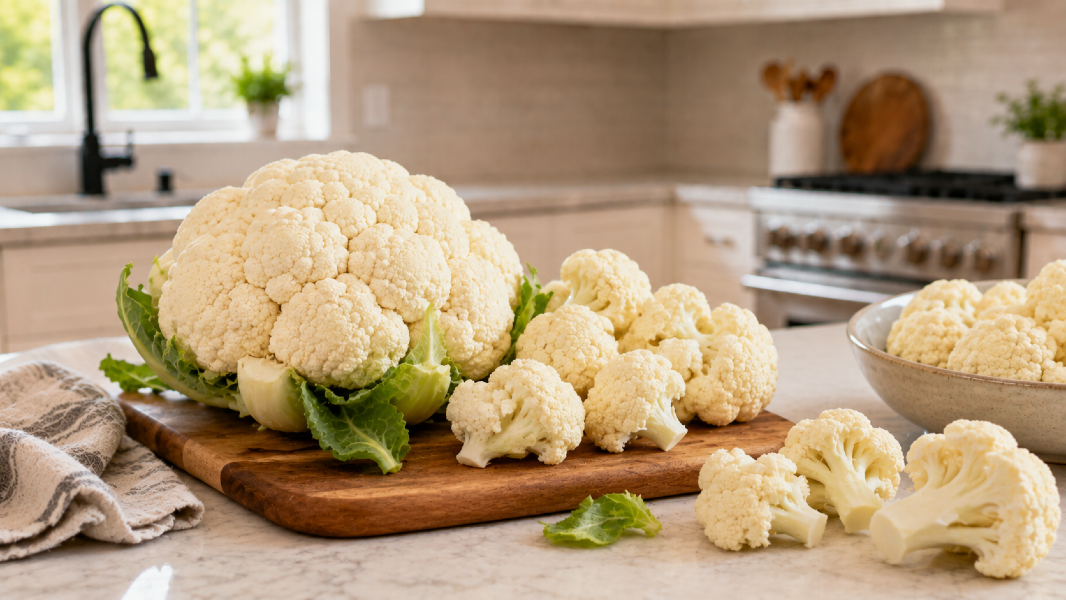
Cauliflower is another good transition vegetable because it can stay light or become more comforting depending on how you prepare it.
It provides fiber, vitamin C, folate, and glucosinolate compounds found in cruciferous vegetables. Roast it until deeply browned, mash it with white beans, add it to grain bowls, or pulse it into a quick crumble.
7. Black sesame seeds
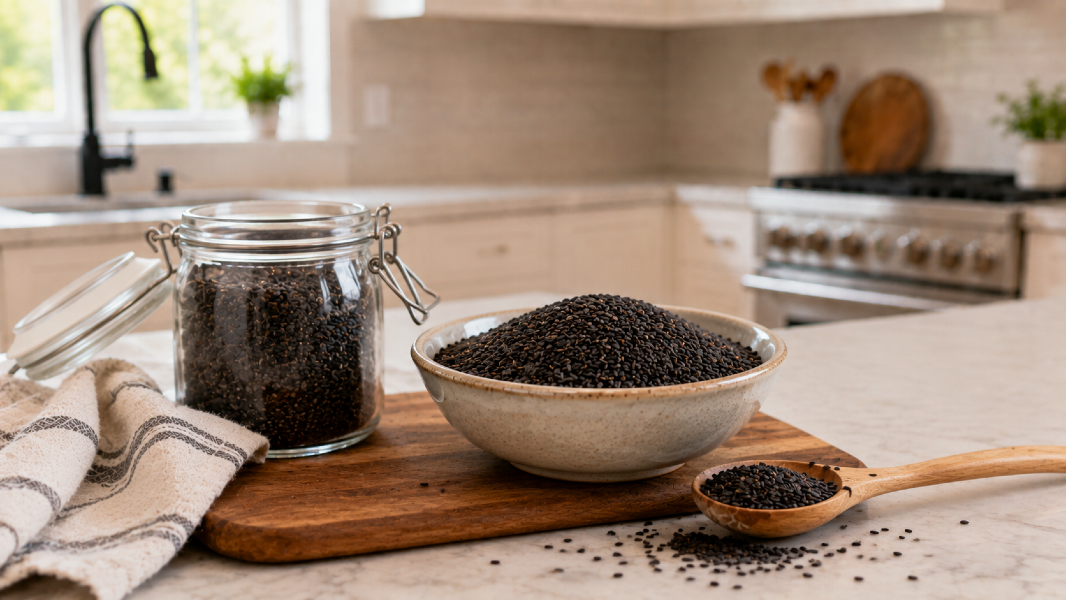
Black sesame seeds are small, but they bring a lot to a recipe: healthy fats, plant protein, calcium, magnesium, copper, and a deep nutty flavor.
They also make food look beautiful. Sprinkle them over toast, yogurt, roasted vegetables, tofu, noodles, fruit, or breakfast bowls. A teaspoon or tablespoon can completely change the look and texture of a dish.
8. Grapes
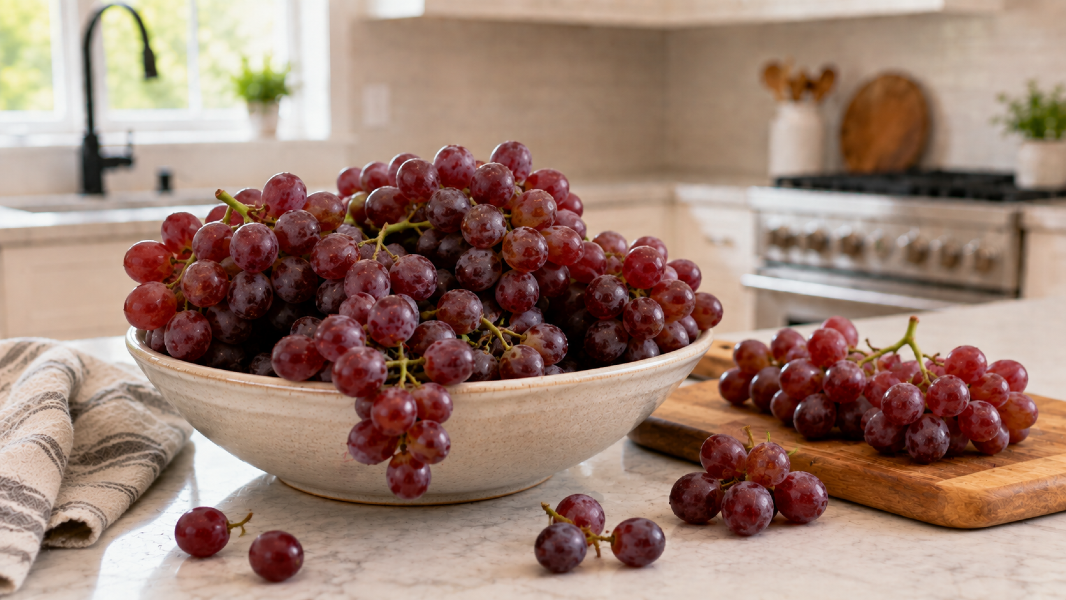
Grapes help keep September from becoming too heavy too soon. They are hydrating, naturally sweet, and easy to eat fresh, freeze, roast, or add to grain and yogurt bowls.
Red and purple varieties contain anthocyanins and other polyphenols. I especially like roasting grapes because the heat concentrates their flavor and turns a simple fruit into something that feels completely different.
9. Figs
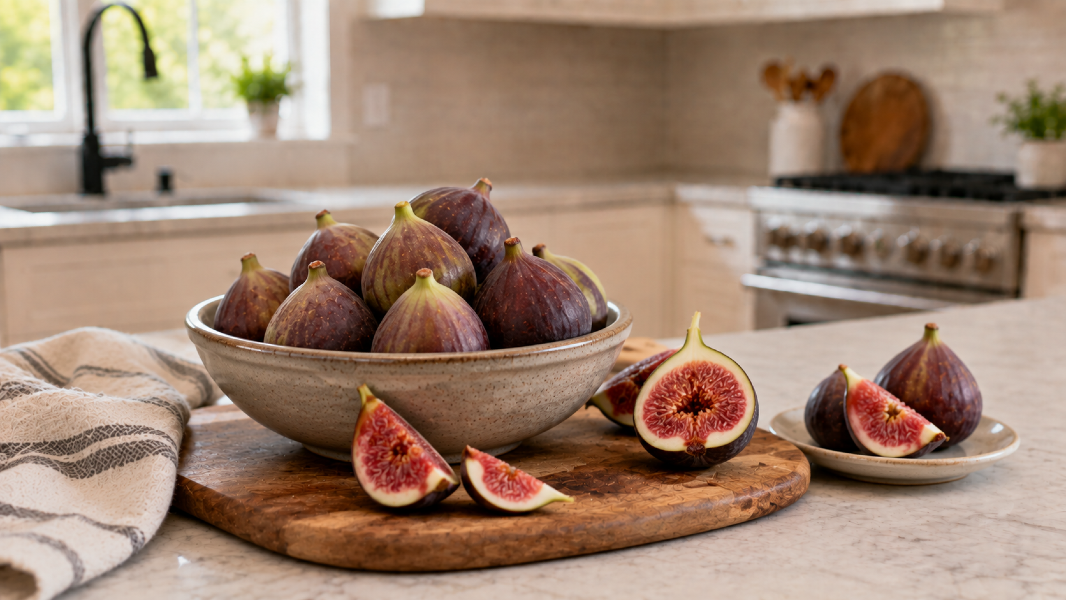
Fresh figs have a short season, which is exactly why I like highlighting them now. When ripe, they are soft, jammy, and sweet enough that you can build a dessert or breakfast around them with very little added sugar.
Figs provide fiber, potassium, calcium, and polyphenols. Pair them with yogurt, oats, walnuts, goat cheese, tahini, or whole-grain toast.
Figs have a very old food history around the Mediterranean and western Asia. They have been cultivated for thousands of years and remain one of the fruits most closely associated with late summer and early fall.
10. Plums
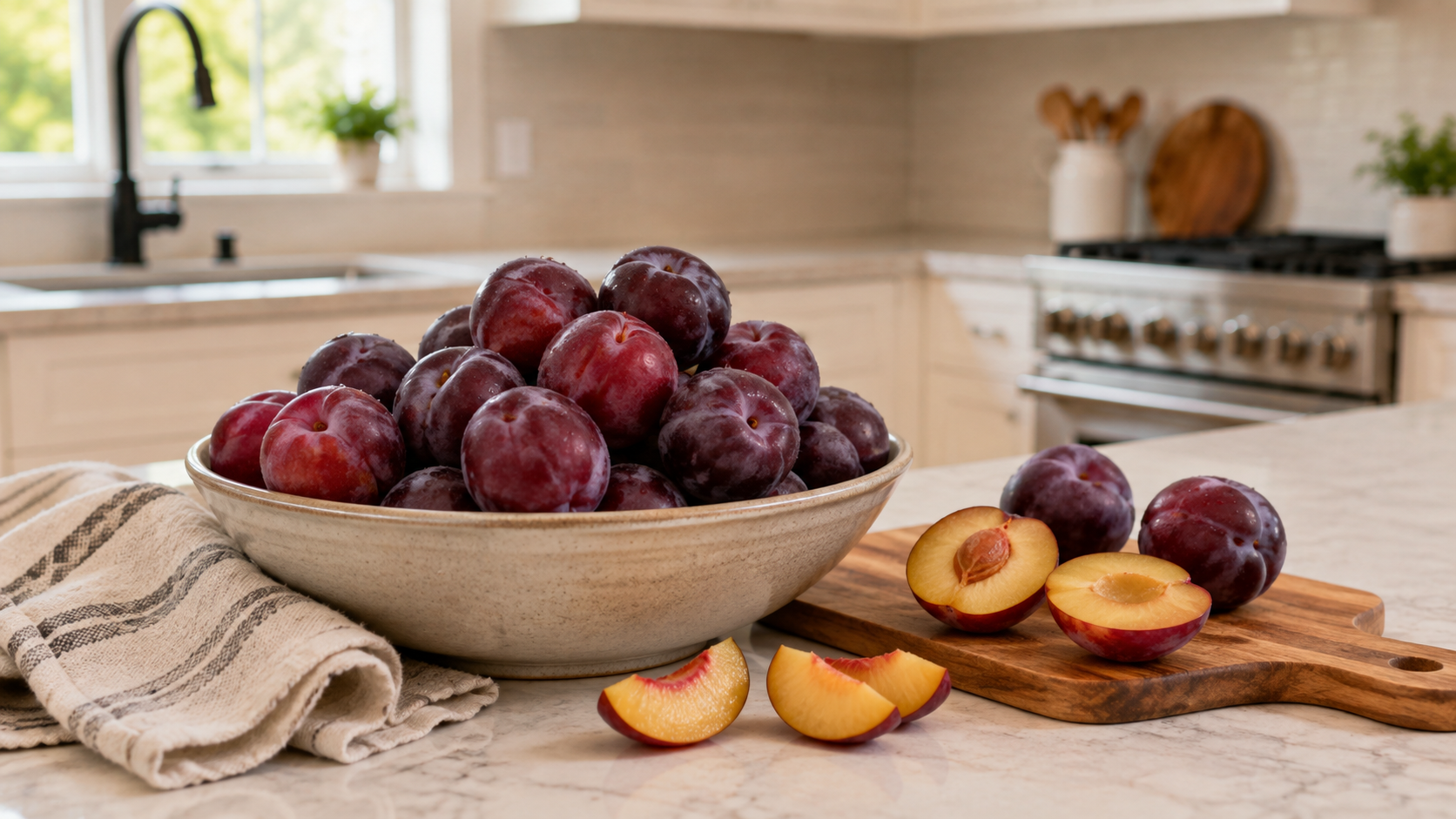
Plums are one of the foods that make September feel like a true transition month. They still feel like summer fruit, but they work beautifully with cinnamon, oats, nuts, yogurt, and warm cooking.
Plums provide vitamin C, potassium, fiber, and colorful plant compounds, especially in darker-skinned varieties.
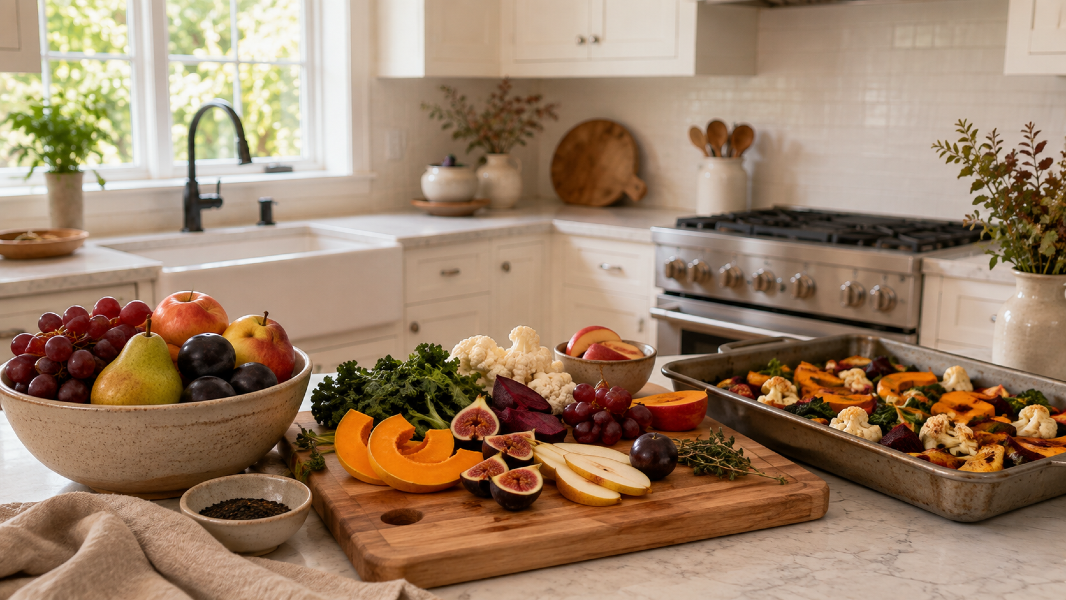
How I am using these foods this month
You do not need all 10 foods in your kitchen at once. Pick three or four that sound good, build a few meals around them, and rotate as the month goes on.
A simple September rhythm might look like this:
- Roast one tray of winter squash or cauliflower.
- Keep kale washed and ready to cook.
- Keep apples, pears, grapes, or plums visible for easy snacks.
- Use cooked beets as a quick bowl or toast topping.
- Keep black sesame seeds near the stove so you remember to use them.
- Buy fresh figs when they look good, because their season is short.
That is enough.
September does not need a new diet or another reset. It can simply be a month where we gradually shift toward warmer foods, keep plenty of plants in rotation, and make the change of season work for us instead of against us.
Keep going with Thrive Beyond 60
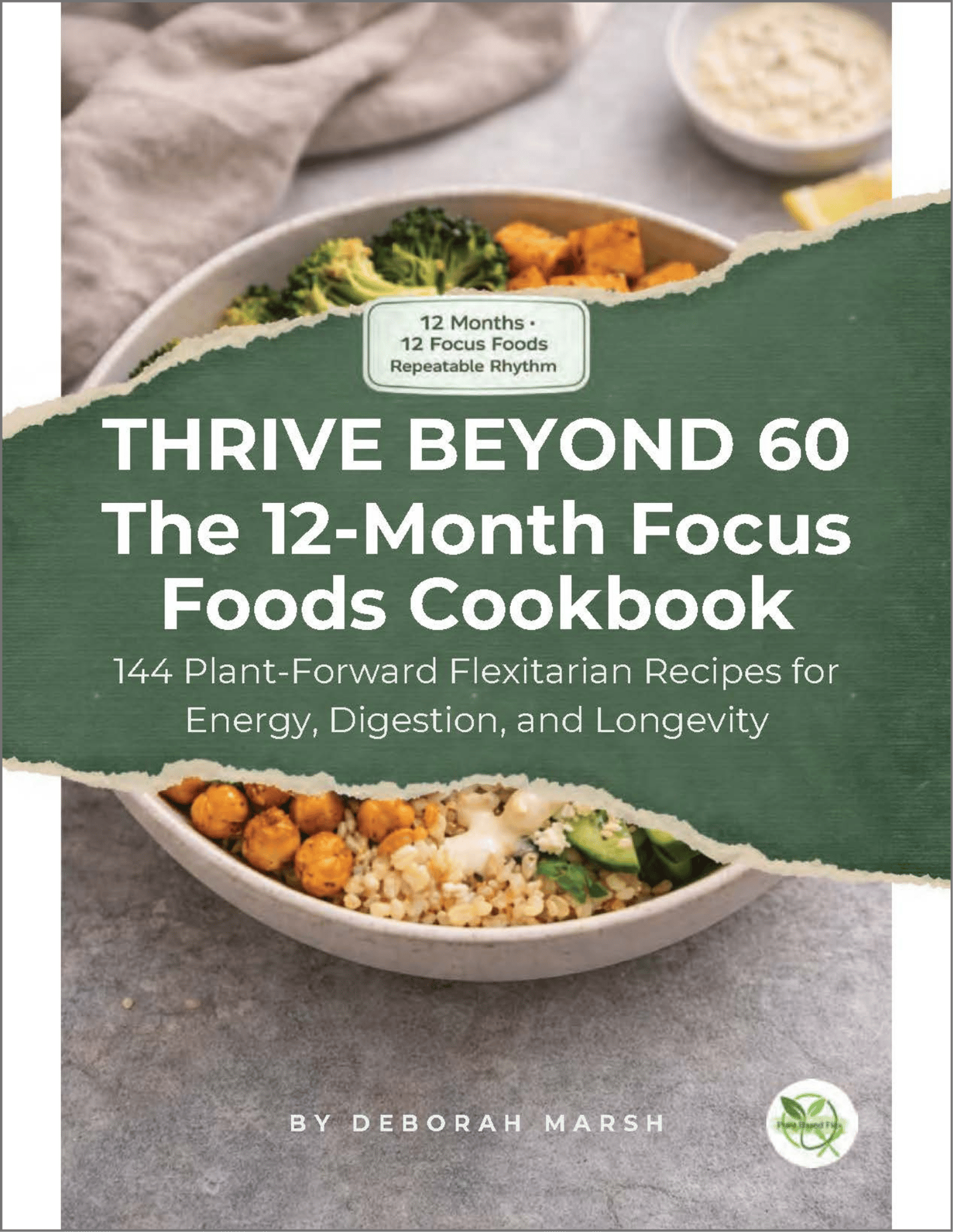
The full September chapter of Thrive Beyond 60: The 12-Month Focus Foods Cookbook includes all 12 September focus foods, recipes, a three-day meal rhythm, and batch-prep ideas. The goal is not perfection. It is a repeatable way to keep healthy eating practical all year.
Featured Cookbook
Thrive Beyond 60 Cookbook
Simple, practical plant-based flexitarian recipes built for energy, digestion, and healthy aging after 60.
- Easy, real-life recipes you'll actually use
- Focus foods framework to simplify your meals
- Built for energy, digestion & healthy aging
Disclaimer:
This content is for informational purposes only and is not medical advice. Always consult your healthcare provider before making changes to your diet, supplements, or lifestyle, especially if you have existing conditions or take medication.
💌Want plant-based tips each week
Join the Plant Based Flex newsletter. It’s free, and when you confirm your email I’ll send you a 7-Day Kickstart Wellness Bundle to help you thrive beyond 60.