
Four July Foods That Support a Healthier Gut
Learn how miso, flaxseed, berries, and farro can support digestion, regularity, and a more diverse gut-friendly eating pattern this July.

Gut health is often discussed as though one special ingredient can fix everything.
It cannot.
Digestion is influenced by many factors, including:
- Fiber intake
- Fluid intake
- Meal timing
- Movement
- Stress
- Sleep
- Medications
- Food sensitivities
- Overall dietary variety
That is why I prefer to think in terms of patterns rather than miracle foods.
Several of July’s focus foods can help support a more gut-friendly eating pattern, especially when they are introduced gradually and used in ways that fit your digestion.
Four stand out this month:
- Miso
- Ground flaxseed
- Blackberries and raspberries
- Farro
Each supports digestive health differently.
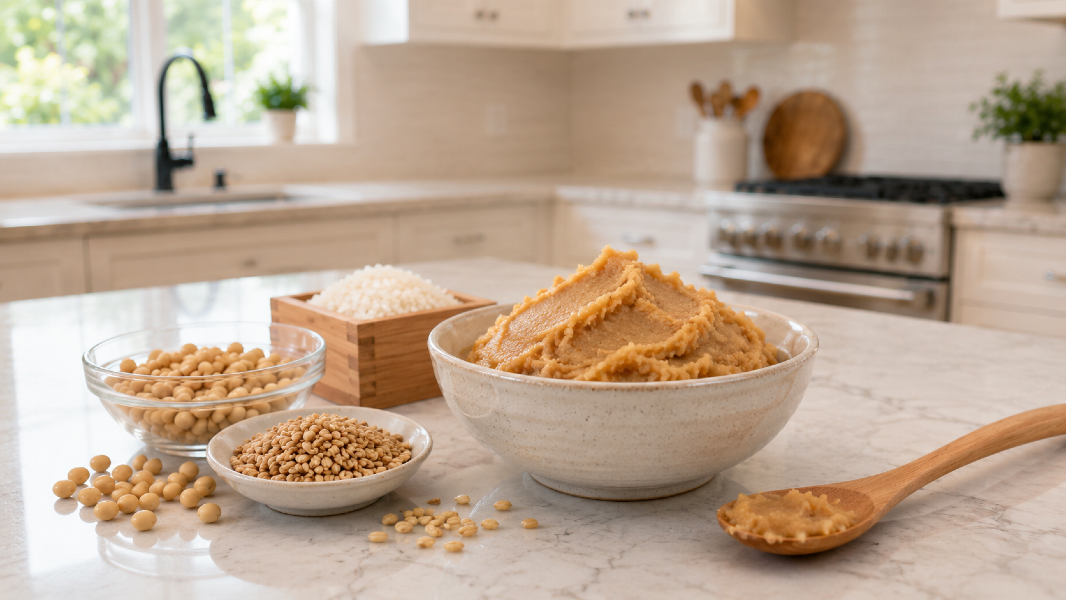
1. Miso Brings Fermented-Food Variety
Miso is a fermented paste traditionally made from soybeans, although some varieties are made with rice, barley, or other grains.
It is commonly used to add savory flavor to:
- Dressings
- Broths
- Sauces
- Grain bowls
- Marinades
- Vegetable dishes
Fermented foods can help add variety to the diet, and some may contain live microorganisms depending on how they are made and processed.
Not every miso product contains the same amount of live cultures, and heating can reduce them.
If preserving live cultures is your goal, stir miso into warm rather than boiling liquids.
A Little Goes a Long Way
Miso is concentrated and can be high in sodium.
Start with one teaspoon in a dressing or sauce and adjust from there.
A simple July dressing can be made with:
- 1 teaspoon white miso
- 1 tablespoon rice vinegar
- 1 tablespoon lemon or lime juice
- 1 to 2 tablespoons water
Whisk until smooth and drizzle over farro, edamame, cucumber, or butter lettuce.
Miso Is Not a Complete Gut Strategy
Adding miso to a diet that is otherwise low in fiber and plant variety will not solve digestive problems.
It works best as one part of a broader pattern that includes:
- Whole grains
- Fruits
- Vegetables
- Beans
- Seeds
- Adequate hydration
- Regular movement
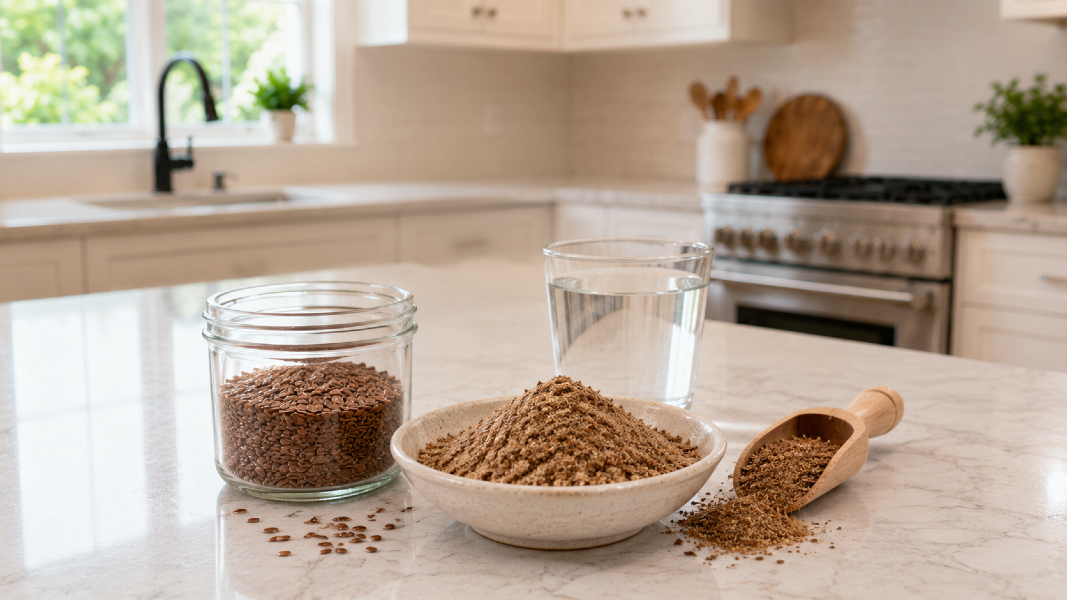
2. Ground Flaxseed Supports Fiber Intake
Ground flaxseed is one of the easiest July focus foods to use consistently.
It provides soluble and insoluble fiber, along with plant-based omega-3 fats.
Fiber can support:
- Regular bowel movements
- Stool bulk
- Satisfaction after meals
- A more diverse gut environment
Whole flaxseed may pass through the digestive system without being fully broken down, so ground flaxseed is generally the more useful form.
Start Small
More fiber is not always better when it is added suddenly.
If you are not used to flaxseed, begin with:
- 1 teaspoon daily
If tolerated, gradually increase to:
- 1 tablespoon
Add it to:
- Smoothies
- Plant yogurt
- Oatmeal
- Berry bowls
- Homemade patties
- Baked breakfast dishes
Flaxseed absorbs fluid, so increasing it without adequate hydration may make constipation or bloating worse.
Store It Properly
Ground flaxseed contains oils that can become rancid.
Store it in an airtight container in the refrigerator or freezer, especially after opening.

3. Blackberries and Raspberries Add Fiber and Variety
Berries are often praised for their antioxidants, but they are also valuable sources of fiber.
Blackberries and raspberries contain small seeds and plant compounds that contribute to their texture and nutritional value.
They can support digestive variety because they are easy to add to several types of meals.
Use berries in:
- Breakfast bowls
- Smoothies
- Farro salads
- Lettuce salads
- Chilled soups
- Frozen treats
- Simple snacks
Sweet and Savory Both Count
Berries do not need to remain confined to breakfast or dessert.
Try them with:
- Butter lettuce
- Persian cucumber
- Farro
- Macadamia nuts
- Balsamic vinegar
- Miso-based dressing
A raspberry miso dressing or blackberry farro salad brings plant variety into a meal without making it complicated.
Fresh or Frozen?
Both work.
Fresh berries are ideal for salads and snack plates.
Frozen berries work well in:
- Smoothies
- Sauces
- Breakfast bakes
- Frozen pops
- Warm fruit compotes
Freeze fresh berries before they become too soft so they do not go to waste.
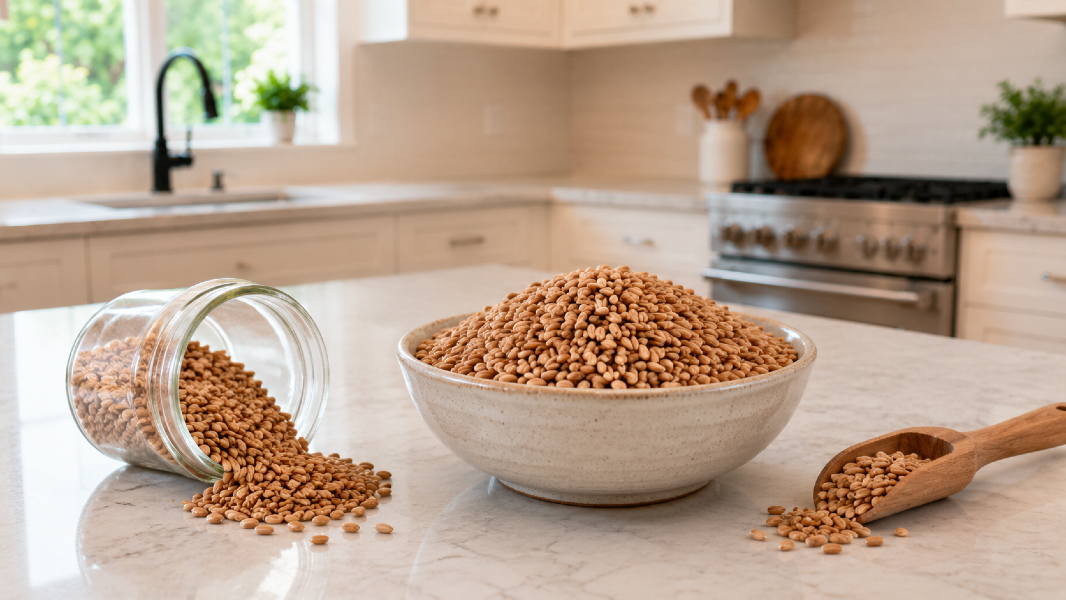
4. Farro Provides Whole-Grain Fiber
Farro is a chewy whole grain that works especially well in summer bowls and salads.
It provides fiber and complex carbohydrates that can help meals feel more substantial.
Whole grains may support digestive health by contributing fermentable carbohydrates and fiber that gut bacteria can use.
Farro works well in:
- Chilled grain salads
- Savory breakfast bowls
- Stuffed tomatoes
- Picnic jars
- Warm skillets
- Lettuce cups
Important Gluten Note
Farro contains gluten.
It is not suitable for people with celiac disease or those who have been advised to avoid gluten.
Possible alternatives include:
- Brown rice
- Quinoa
- Buckwheat
- Certified gluten-free oats
The substitute will change the texture, but the meal can still fit the July focus.
Why Variety Matters More Than Perfection
Your gut is exposed to whatever you eat repeatedly.
A diet built around the same three or four plant foods may be nutritious, but greater variety can provide a broader range of fibers and plant compounds.
You do not need to eat 30 different foods in one day.
Instead, look for gentle ways to rotate foods across the week.
For example:
Day 1
Farro bowl with edamame, cucumber, and miso dressing
Day 2
Plant yogurt with raspberries and flaxseed
Day 3
Butter lettuce salad with blackberries and macadamia nuts
Day 4
Stuffed tomato with farro and edamame
The foods overlap, but the combinations change.
That is practical variety.
Gut-Friendly Does Not Mean Symptom-Free for Everyone
Foods commonly described as healthy can still cause discomfort in some people.
Possible issues include:
- Large portions of beans or edamame
- Sudden increases in fiber
- Whole grains that are difficult to digest
- Fermented foods that trigger sensitivity
- Berry seeds that feel irritating
- High-fat portions of nuts
- Very large raw salads
Your tolerance matters.
If a food causes repeated symptoms, reduce the portion, change the preparation, or use a substitute.
You do not earn extra health points for forcing yourself to eat something your body does not tolerate.
Five Ways to Make July Meals Gentler
1. Increase Fiber Gradually
Do not add farro, flaxseed, berries, and edamame in large portions all at once if your diet has been lower in fiber.
2. Drink Enough Fluid
Fiber needs water to do its job effectively.
3. Chew Thoroughly
Digestion begins before food reaches the stomach.
Slowing down may reduce swallowed air and improve meal awareness.
4. Use Cooked Foods When Needed
Raw foods are not automatically healthier.
Lightly cooked vegetables, warm grains, and softer textures may be easier to tolerate.
5. Walk After Meals
A short, comfortable walk may support digestion and blood sugar regulation.
It does not need to be fast or long.
A Simple July Gut-Supportive Bowl
Combine:
- 1 cup cooked farro
- 1/2 to 1 cup edamame
- Chopped Persian cucumber
- Butter lettuce
- A few blackberries or raspberries
- 1 teaspoon miso mixed with vinegar and water
- 1 teaspoon ground flaxseed
Adjust the portions based on appetite and tolerance.
If that combination contains too much fiber at once, reduce the farro or edamame and build gradually.

The Goal Is Better Support, Not Perfection
A healthier gut is not built through one recipe, one probiotic, or one perfect week.
It is supported through repeated habits:
- Eating a wider range of plant foods
- Including fiber gradually
- Staying hydrated
- Moving regularly
- Managing stress
- Paying attention to tolerance
- Seeking medical guidance when symptoms persist
Miso, flaxseed, berries, and farro can all play a useful role.
But the real benefit comes from how they fit into your overall pattern.
Keep it simple.
Choose one or two foods to use this week, notice how you feel, and build from there.
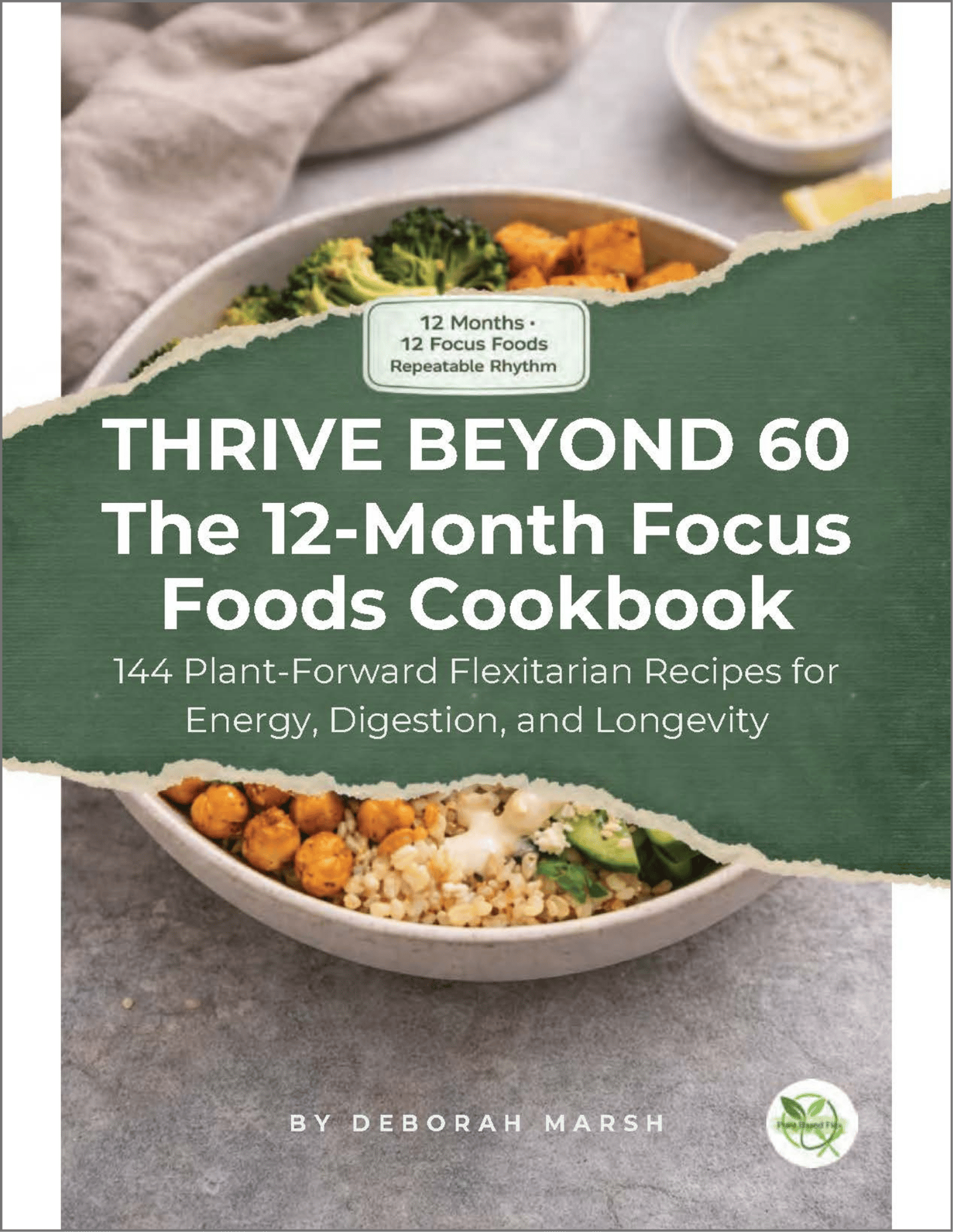
Featured Cookbook
Thrive Beyond 60 Cookbook
Simple, practical plant-based flexitarian recipes built for energy, digestion, and healthy aging after 60.
- Easy, real-life recipes you'll actually use
- Focus foods framework to simplify your meals
- Built for energy, digestion & healthy aging
Disclaimer:
This content is for informational purposes only and is not medical advice. Always consult your healthcare provider before making changes to your diet, supplements, or lifestyle, especially if you have existing conditions or take medication.
💌Want plant-based tips each week
Join the Plant Based Flex newsletter. It’s free, and when you confirm your email I’ll send you a 7-Day Kickstart Wellness Bundle to help you thrive beyond 60.