
Fall Day-Trip Readiness
A practical fall day-trip checklist covering the car, weather, water, navigation, emergency contacts, and a simple backup plan.
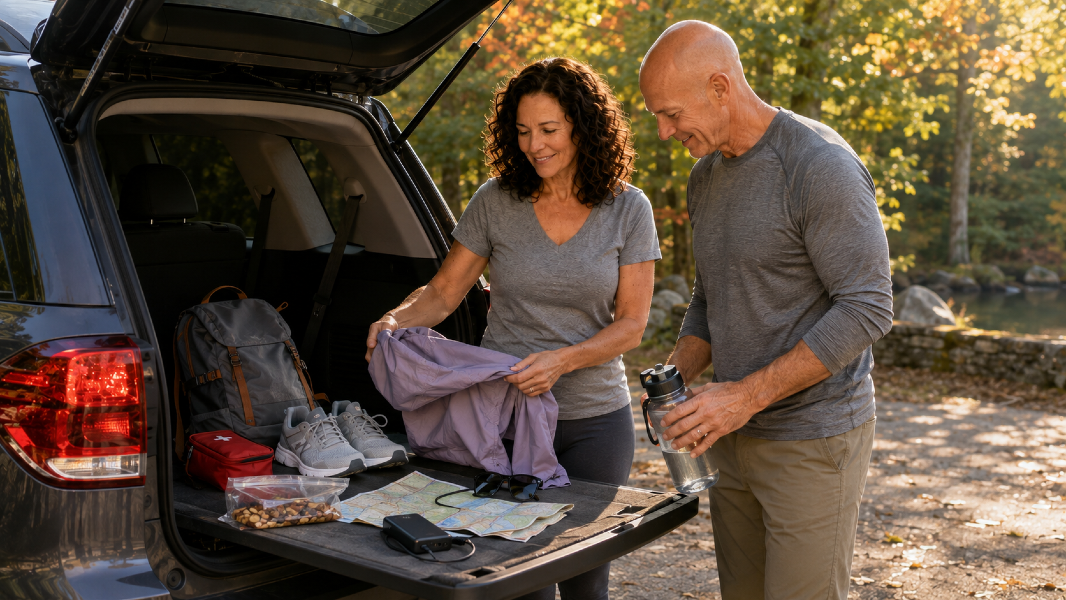
Fall Day-Trip Readiness: The Car, Weather, and Backup Plan Check
Fall is when a lot of us start wanting to get out more.
Cooler mornings make hiking, scenic drives, farmers markets, outdoor events, and day trips sound much better than they did in the middle of summer.
But a day trip can still go sideways quickly if the car, weather, water, or navigation plan is not thought through.
This is not a packing list for a major expedition. It is a basic readiness check.
Check the car before the fun part
Look at:
- tire pressure and visible tire condition
- fuel level
- oil or warning lights
- windshield washer fluid
- spare tire or repair kit
- phone charger
- basic roadside-assistance information
If your car has been giving you a warning sign, a remote trailhead is not the place to test whether it was serious.
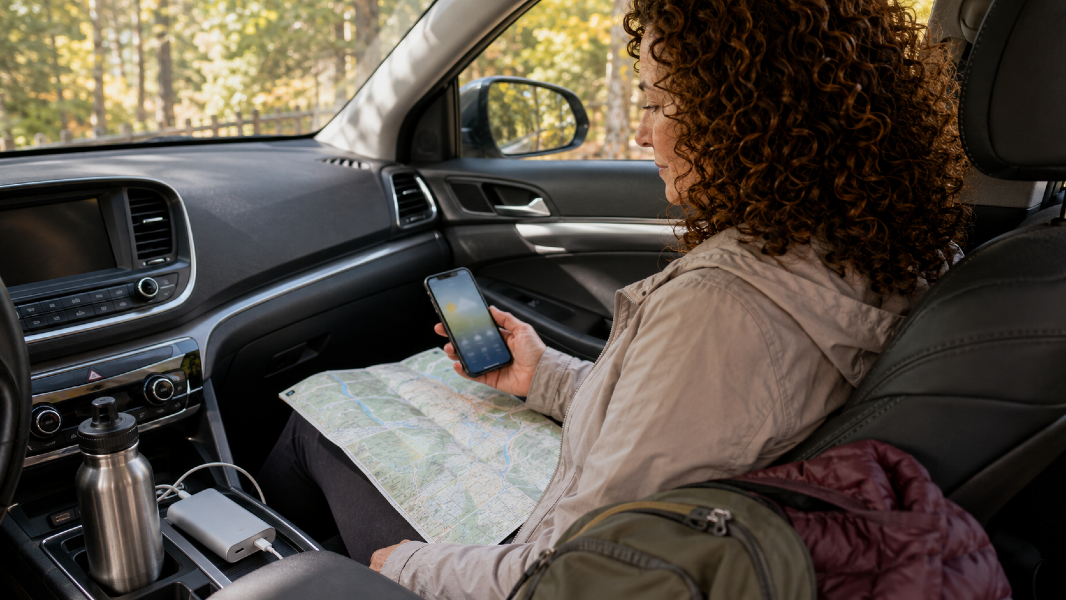
Check weather at both ends of the trip
The weather at home may not match the weather at your destination.
Elevation changes can create much cooler temperatures, stronger wind, or storms.
Check the forecast for the actual destination and the hours you expect to be there.
Carry more water than you think you will need
Even when temperatures cool, dehydration is still possible.
Bring enough for the activity plus a reserve.
If you are traveling with someone else, each person should have access to water rather than relying on one shared bottle.
Download or save directions
Cell service is not guaranteed in rural or mountain areas.
Download an offline map or screenshot the route before you leave.
Know the name of the trailhead, park, town, or road you are heading toward.
Tell someone the basic plan
For a longer hike or remote drive, let someone know:
- where you are going
- who is with you
- roughly when you expect to return
You do not need to broadcast your schedule publicly. One trusted person is enough.
Bring a basic backup layer
A light jacket, extra socks, hat, or rain shell takes little room and can make a large difference if the weather changes.
Know your turnaround time
This is especially important for hikes.
Decide when you need to turn around based on daylight, distance, weather, and energy.
Do not let “we are almost there” erase the reality that you still have to get back.
Keep a simple emergency kit
A small car kit might include:
- flashlight
- basic first aid
- water
- shelf-stable snack
- charging cable or battery pack
- emergency blanket
Have a backup plan
If the parking lot is full, the weather turns, or the trail feels wrong, what is Plan B?
Another trail. A shorter walk. A scenic stop. Lunch in town.
A backup plan keeps disappointment from becoming bad judgment.
Prepared does not mean worried.
It means you made a few decisions while you were comfortable, so you do not have to make them under pressure later.
Disclaimer:
This content is for informational purposes only and is not medical advice. Always consult your healthcare provider before making changes to your diet, supplements, or lifestyle, especially if you have existing conditions or take medication.
💌Want plant-based tips each week
Join the Plant Based Flex newsletter. It’s free, and when you confirm your email I’ll send you a 7-Day Kickstart Wellness Bundle to help you thrive beyond 60.