Broccoli vs. Broccolini: Flavor, Texture, and Best Cooking Methods
Broccoli and broccolini are related, but they're not interchangeable in every recipe. Knowing how they differ helps you buy what you enjoy, cook it properly, and waste less.

Broccoli and broccolini are related, but they're not interchangeable in every recipe. Knowing how they differ helps you buy what you enjoy, cook it properly, and waste less.
The nutrition reason to rotate both
Broccoli and broccolini are cruciferous vegetables that provide fiber, vitamin C and other nutrients. The precise nutrient amounts depend on portions and cooking method; neither one is a miracle food. Cook them just until tender, and pair them with beans, lentils, tofu or fish so the whole meal offers more protein and staying power. If raw cruciferous vegetables bother your digestion, smaller portions of well-cooked vegetables may be easier to enjoy.
What is the difference?
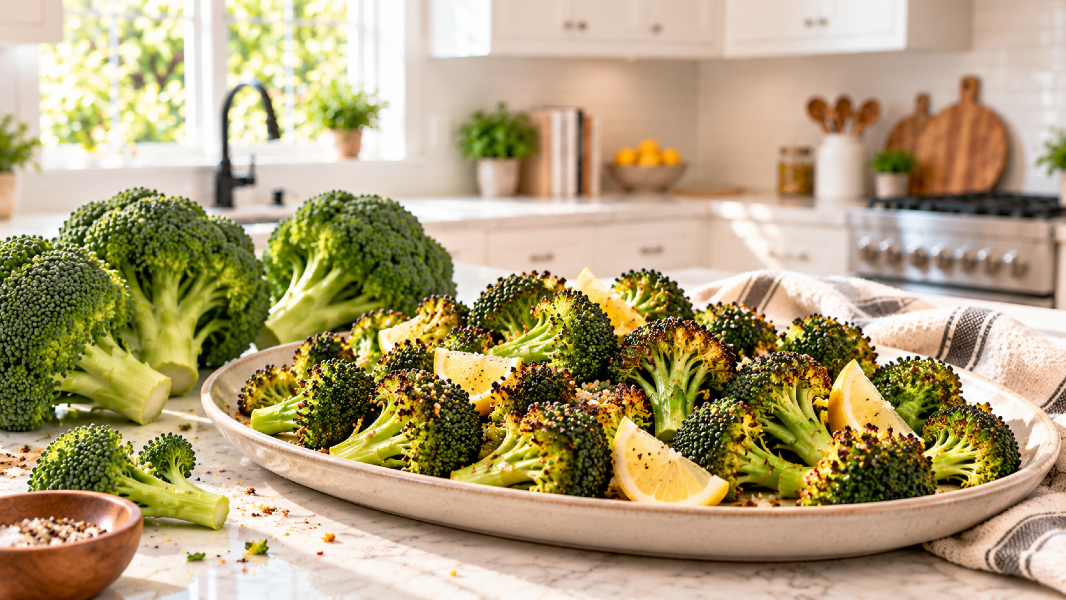
Broccoli usually has a thick central stalk and large clusters of florets. It tastes earthy and can handle roasting, steaming, blending, or a quick sauté.
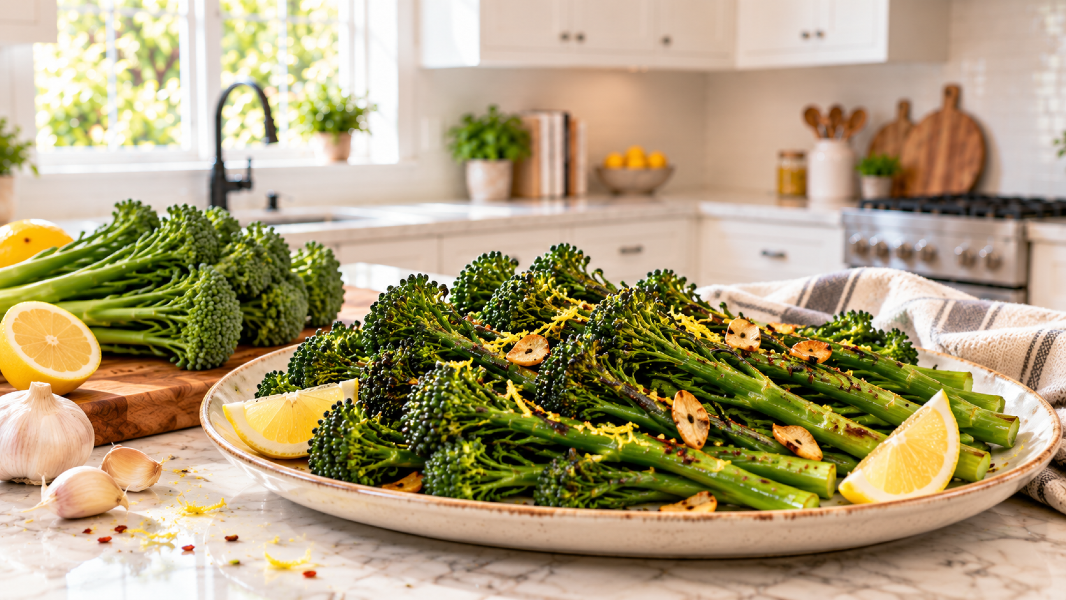
Broccolini has slender stems with smaller florets and a tender, slightly sweet flavor. You can usually cook much of the stalk without peeling it. Its narrow shape makes it especially good for quick roasting or grilling.
Best cooking methods
Broccoli: Cut florets to similar sizes, dry well, and roast at 425°F for roughly 18–25 minutes depending on size, turning halfway. Steam for a softer texture. Save peeled stalks for slaw or soup.
Broccolini: Trim the tough bottom ends, toss lightly with oil, and roast at 425°F about 10–15 minutes until tender and lightly browned. Watch closely; the thin tips can char quickly.
Nutrition without the hype
Both belong to the cruciferous vegetable family and contribute fiber, vitamin C and other nutrients. Neither needs to be labeled ‘better.’ What matters most is eating vegetables you enjoy in amounts that fit your digestion and preferences.
Shopping and storage
Choose firm stems and vibrant green tops. Avoid slimy patches or strong off odors. Keep refrigerated, ideally in the crisper, and use while fresh. Frozen broccoli is a convenient alternative for everyday cooking.
My favorite rule
Choose broccoli when you want a vegetable to blend into a sauce or casserole. Choose broccolini when you want beautiful whole stems as a side dish. Either one belongs in a flexible kitchen.
Buying the vegetable you'll actually cook is a better decision than chasing a nutritional winner.
Keep thriving beyond 60. Explore more practical recipes and healthy-aging ideas at Plant Based Flex, or get the free 7-day starter kit.
Want More Plant-Forward Meal Ideas?
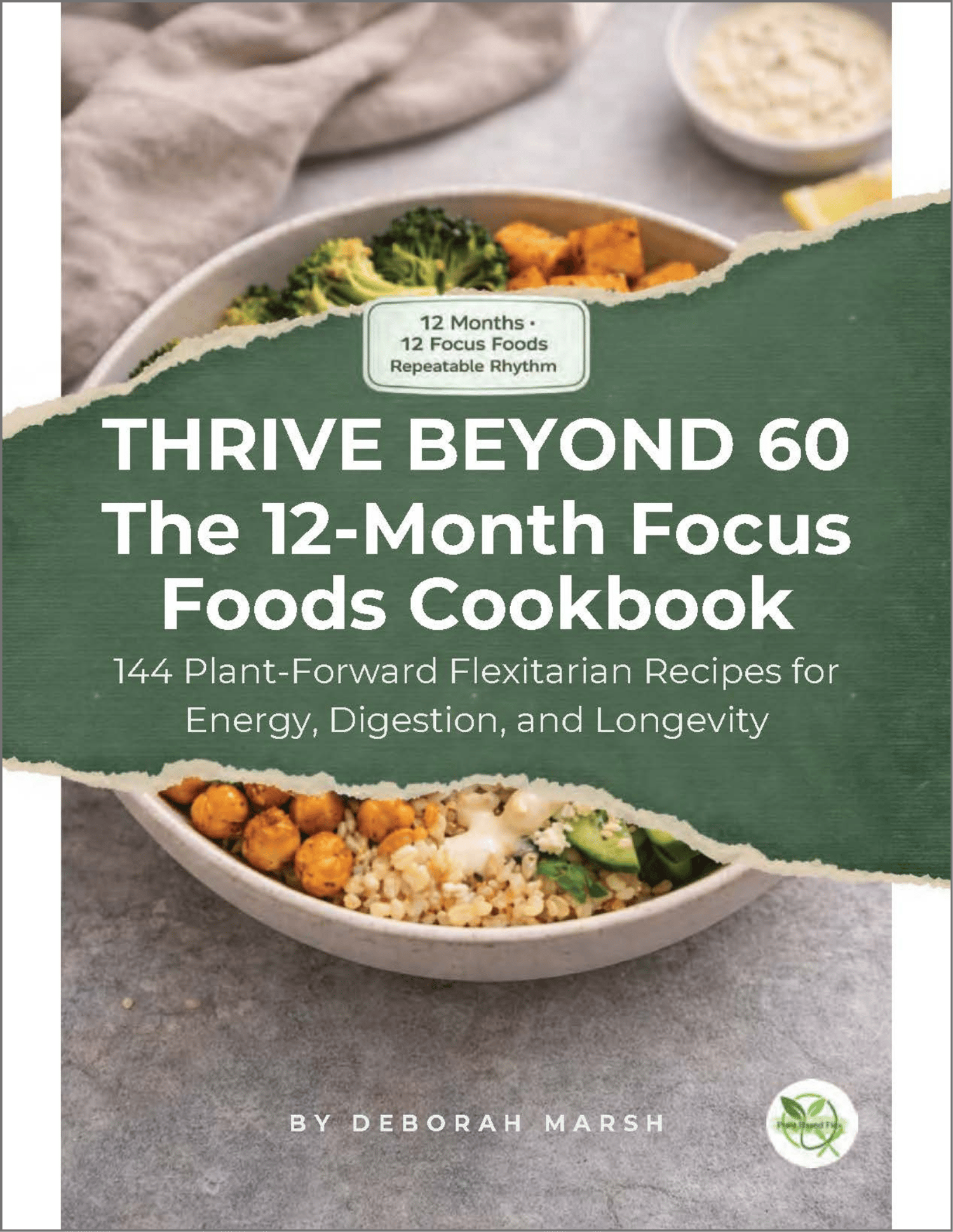
Looking for fresh ways to enjoy nutritious foods throughout the year? My Thrive Beyond 60: The 12-Month Focus Foods Cookbook includes 144 plant-forward flexitarian recipes, monthly focus-food guides, and practical meal-prep ideas.
Explore the Cookbook & Free Preview
Featured Cookbook
Thrive Beyond 60 Cookbook
Simple, practical plant-based flexitarian recipes built for energy, digestion, and healthy aging after 60.
- Easy, real-life recipes you'll actually use
- Focus foods framework to simplify your meals
- Built for energy, digestion & healthy aging
Disclaimer:
This content is for informational purposes only and is not medical advice. Always consult your healthcare provider before making changes to your diet, supplements, or lifestyle, especially if you have existing conditions or take medication.
💌Want plant-based tips each week
Join the Plant Based Flex newsletter. It’s free, and when you confirm your email I’ll send you a 7-Day Kickstart Wellness Bundle to help you thrive beyond 60.